Healing Should Make Your World Bigger
Most people don't notice the change all at once.
It begins with small decisions that seem reasonable at the time.
You skip the hike because you are unusually tired. You decline dinner because you are not sure how you will feel by evening. You stop making plans that extend more than a few days into the future, because experience has taught you that your body reserves the right to change the terms without notice.
None of these decisions feel dramatic in isolation. Each is simply an attempt to live within the limits your body has set. But over months and years, something important happens.
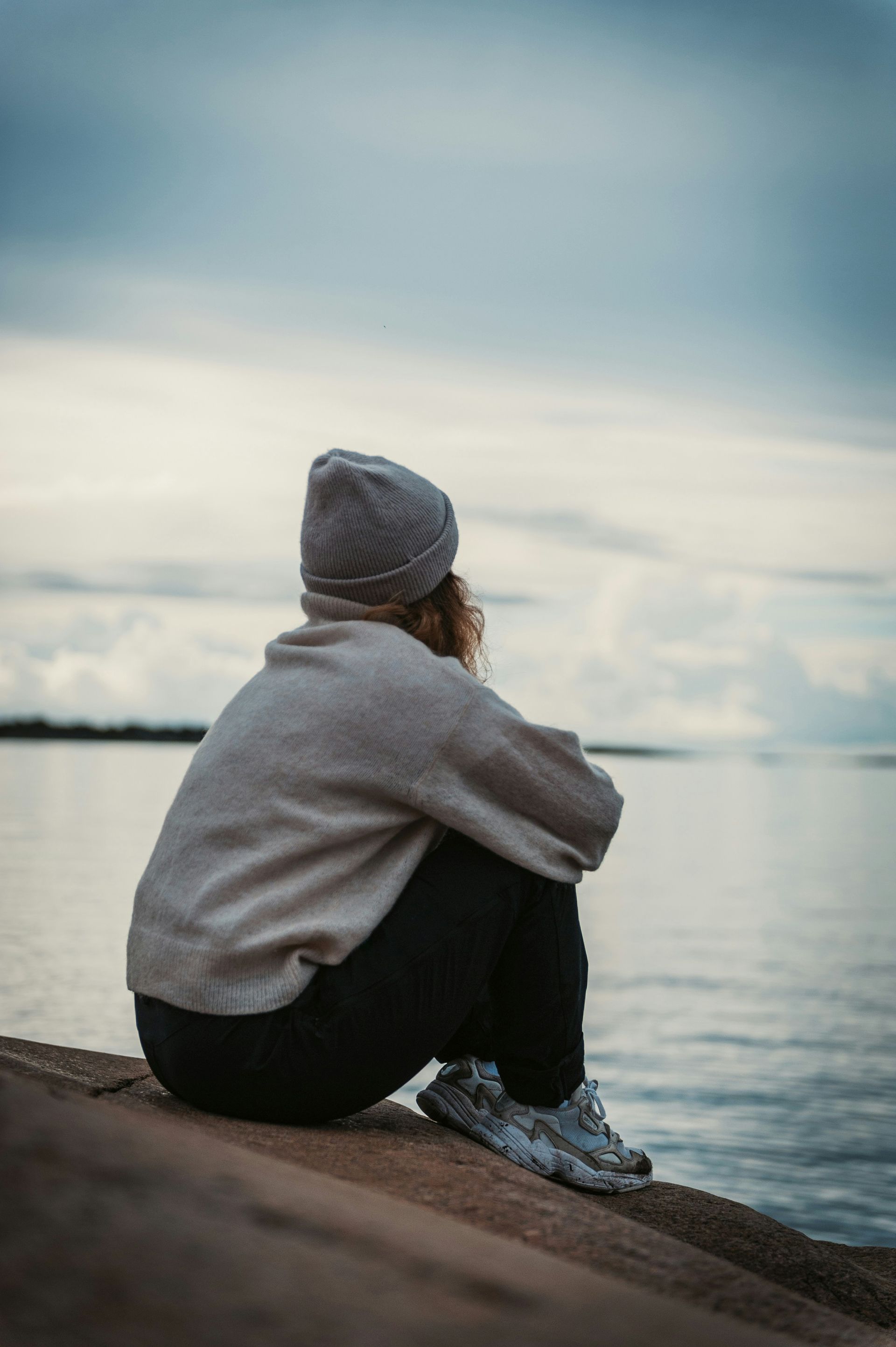
Your illness is no longer measured only by your symptoms.
It is measured by the size of your world.
Careers become difficult to sustain. Relationships shift quietly as fewer invitations are accepted. Hobbies disappear without a formal goodbye. The spontaneous parts of life — the yes, let's do it, the last-minute road trip, the Saturday that had no agenda — become increasingly rare, because almost everything now requires planning around symptoms, energy, pain, sleep, or the possibility of a crash.
Patients often tell me they miss the person they used to be.
What they usually mean is that they miss the freedom they once had. Freedom to make plans without calculating the consequences. Freedom to wonder what they wanted to do rather than what they were capable of doing. Freedom to think about the future instead of constantly managing the present.
That shrinking rarely happens because people become less determined.
If anything, most people with chronic Lyme become extraordinarily resourceful. They research. They advocate for themselves in medical offices that offer little help. They learn more about immune function, laboratory interpretation, and treatment protocols than most clinicians. They push through days that would flatten someone who had never been tested the way they have been.
And yet, despite all of that effort, their lives often continue to contract.
Which raises a question worth sitting with.
If people are working harder than ever to get better — why does life keep getting smaller?
The answer is not simply that the infection is still present.
Nor is it that someone has failed to find the right treatment.
The deeper answer is that persistent illness changes the biology of adaptation itself.
As the body reallocates its resources toward survival, protection begins to take precedence over exploration. Conserving energy becomes more important than spending it. The nervous system grows more cautious. The immune system grows more vigilant. Sleep becomes more fragile. Recovery from ordinary stress — a long conversation, an afternoon of activity, an unexpected disruption — requires more time than it once did.
This is not failure. This is the body doing exactly what it was designed to do when it perceives ongoing threat. It is keeping you alive.
But there is a cost.
Eventually the body's goal is no longer helping you live a larger life. Its goal is helping you survive the life you already have.
From the outside, this looks like illness.
From the inside, it often feels like life has simply become expensive.
One evening out. One difficult conversation. One workout. One family gathering. Each may require days of recovery.
This is one of the reasons I have come to believe that the first signs of healing are not always found in laboratory values or symptom checklists.
Sometimes they appear in the quiet return of ordinary life.
- You stay through the entire dinner instead of leaving early.
- You accept an invitation without calculating whether you will pay for it tomorrow.
- You take a weekend trip and come home with memories instead of exhaustion.
- You make plans three months from now because — for the first time in years — you actually believe you will be able to keep them.
These are not small things. They are the measure of recovery that matters most.
Symptoms certainly matter. Pain matters. Fatigue matters. Cognitive clarity matters. But their importance lies in what they allow you to do. The purpose of recovery is not simply to feel different.
It is to live differently.
Healing should make your world bigger.
That idea has shaped much of my work over the past three decades as a physician. Not the disappearance of disease as the finish line. The gradual restoration of capacity — capacity to engage, to contribute, to explore, to imagine a future that is larger than today.
When I evaluate whether a patient is moving in the right direction, I ask about symptoms. But I also ask different questions.
Is your life getting bigger?
Can you do more than you could six months ago?
Has your world begun to expand?
Because in the end, healing should not simply change how you feel.
It should change how fully you are able to live.
-Dr. Sult
If this framing resonates — if you have been tracking your illness by symptoms alone and something here suggests a different measure — I put together a free guide that walks through the Precision Lyme Management framework: how persistent illness changes the biology of adaptation, and what a recovery approach built around that reality actually looks like.
It is not a sales document. It is the framework I use with patients, written for people who are ready to think about Lyme differently.
[Download the free PLM guide HERE.]
You will also receive occasional writing from me on complex chronic illness, functional medicine, and what recovery actually looks like when it is working.