Isolation Is Also Making You Sick
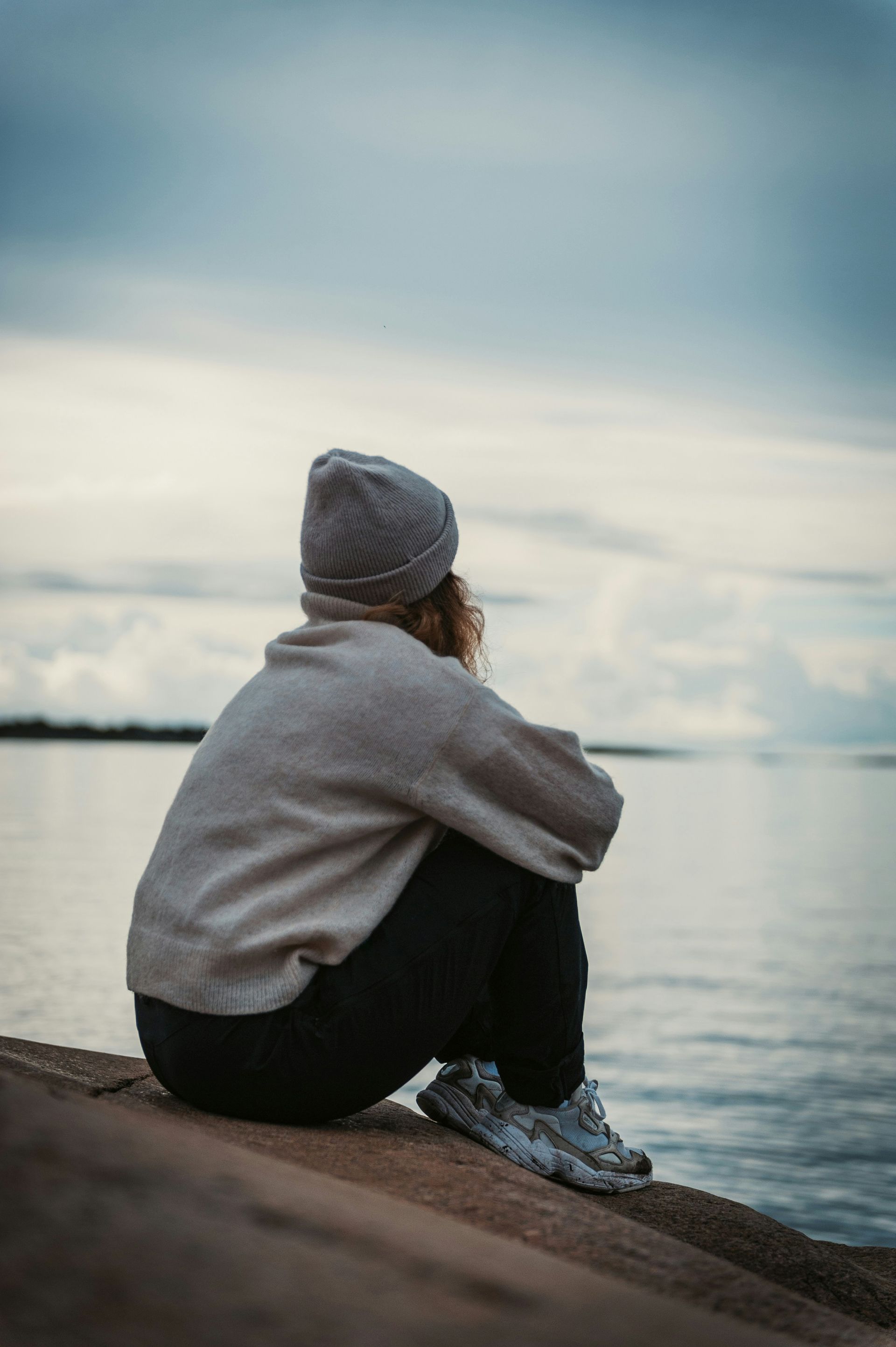
There is a particular kind of exhaustion that does not show up on any lab panel.
It arrives after you have explained your illness to someone who tried to understand and couldn't. After the appointment where you left with more uncertainty than you brought in. After you canceled plans again — not because you wanted to, but because your body made the decision before you did.
It is the exhaustion of carrying something enormous, in a world that keeps asking you to carry it quietly.
Most people with chronic Lyme know this exhaustion. They have learned to edit their story. They give the short version because the full version takes too long and leaves too much to explain. They stop mentioning symptoms that sound strange. They begin to protect the people around them from a reality that has become difficult to share.
This is what isolation looks like in practice. Not solitude chosen. Solitude accumulated.
And here is what I want you to understand before anything else:
That isolation is not just emotionally painful. It is biologically active. And it is working directly against your recovery.
Your Nervous System Does Not Know the Difference
When the body perceives a threat — any threat — the sympathetic nervous system activates. Heart rate increases. Cortisol rises. Blood is redirected away from digestion and toward muscle. The immune system shifts from repair mode into defense mode.
This is the fight-or-flight response. It is elegant, ancient, and completely appropriate when the threat is acute.
The problem is that chronic social isolation registers as a threat.
Not metaphorically. Biologically. Research on chronic loneliness shows persistent sympathetic activation, elevated inflammatory markers, suppressed natural killer cell activity, and disrupted sleep architecture. The body, reading the absence of safe connection, behaves as though danger is ongoing.
Now layer that on top of chronic Lyme.
You are already managing an immune system that has been dysregulated by persistent infection. You are already carrying an autonomic nervous system that has been pushed toward hypervigilance by months or years of physiologic stress. You are already dealing with sleep that does not restore, a gut that does not regulate, and an energy envelope that shrinks faster than it refills.
And then we ask you to manage all of it alone.
Chronic isolation elevates cortisol. Chronic cortisol elevation suppresses the very immune pathways you need for resolution. It impairs gut motility — which matters because roughly seventy percent of your immune system lives there. It fragments sleep architecture at exactly the stage when cellular repair occurs.
I am not speaking loosely here. Isolation is not just hard on the spirit. It is a physiologic burden. And in a system already under strain, additional burdens have consequences.
What I See in the Clinic
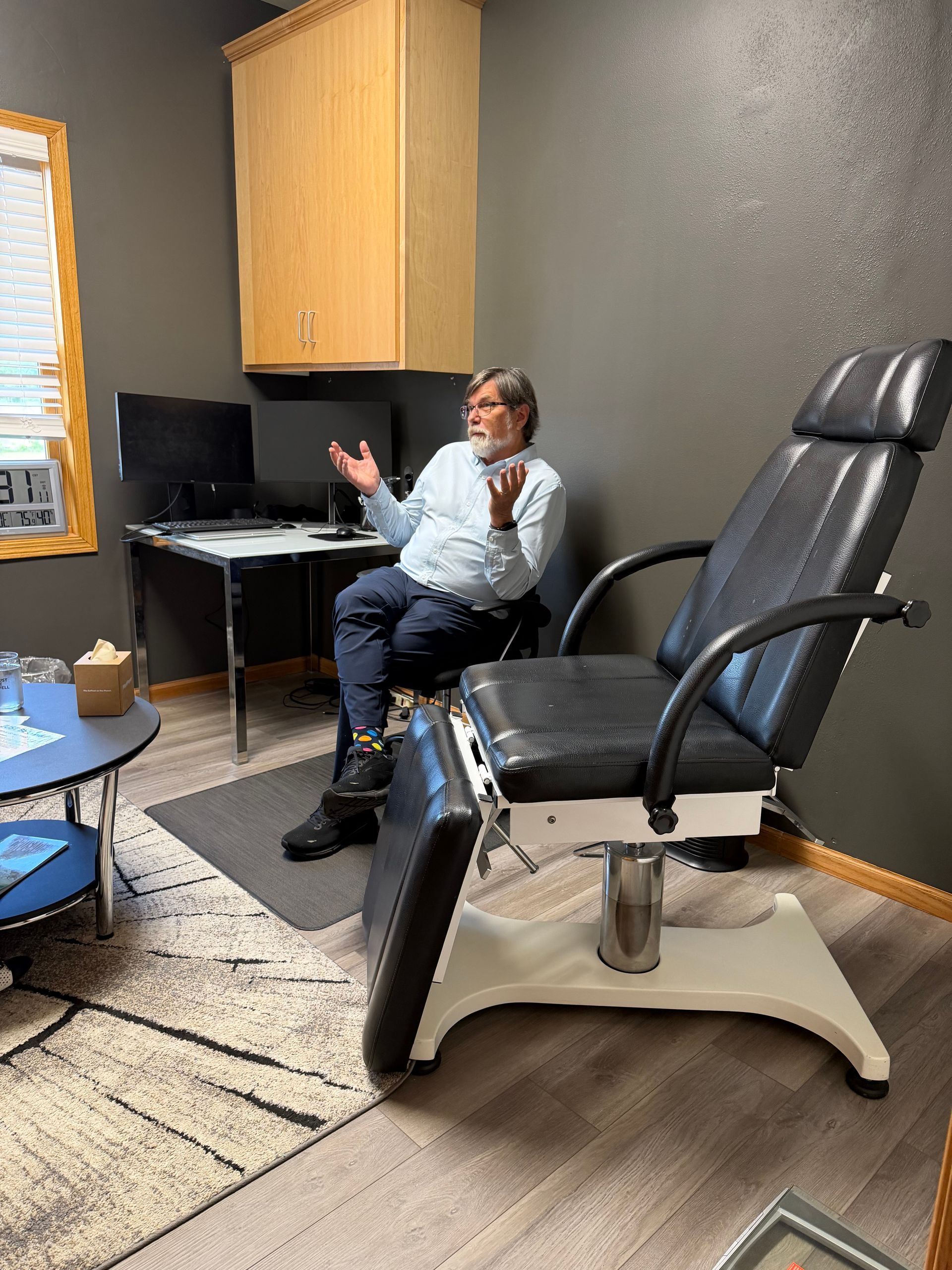
When someone with complex chronic Lyme walks into my practice, I am not only looking at their lab work.
I am looking at how long they have been sick. How many clinicians have dismissed them. Whether they have anyone in their life who genuinely understands what daily existence has become. Whether they have stopped trying to explain.
I have observed a pattern across hundreds of patients. The ones who are most physiologically fragile are often the ones carrying the largest secondary burden: the exhaustion of isolation, the cognitive load of being their own case manager, the vigilance of a person who has learned that no one else is going to hold the whole picture.
That vigilance has a cost. A sympathetic nervous system that never fully downregulates does not allow the parasympathetic rest states in which digestion recovers, immunity repairs, and the body consolidates what healing has occurred.
They are not failing to recover because they lack information or effort. Most of them have extraordinary amounts of both.
They are failing to recover, in part, because they are doing it alone — and doing it alone is a biological disadvantage.
Connection Is Not a Comfort. It Is a Clinical Variable.
Safe social connection activates the parasympathetic nervous system. It lowers cortisol. It reduces inflammatory signaling. It improves sleep. It literally shifts the physiologic terrain in the direction recovery requires.
This is what the research on social connection and immune function shows. Not that belonging feels nice — though it does — but that belonging changes measurable biology.
Being understood by people who have navigated similar terrain does something that even the most careful clinician cannot fully replicate in a single appointment. It provides continuity. It normalizes a recovery that does not move in straight lines. It gives perspective when setbacks feel permanent. It reduces the additional work of constantly having to defend the reality of your illness to people who haven't lived it.
And perhaps most importantly: it tells your nervous system that you are not alone in the dark.
That signal — safety, connection, recognition — is not soft medicine. It is a condition that allows the rest of the medicine to work.
You Were Not Designed to Heal in Isolation
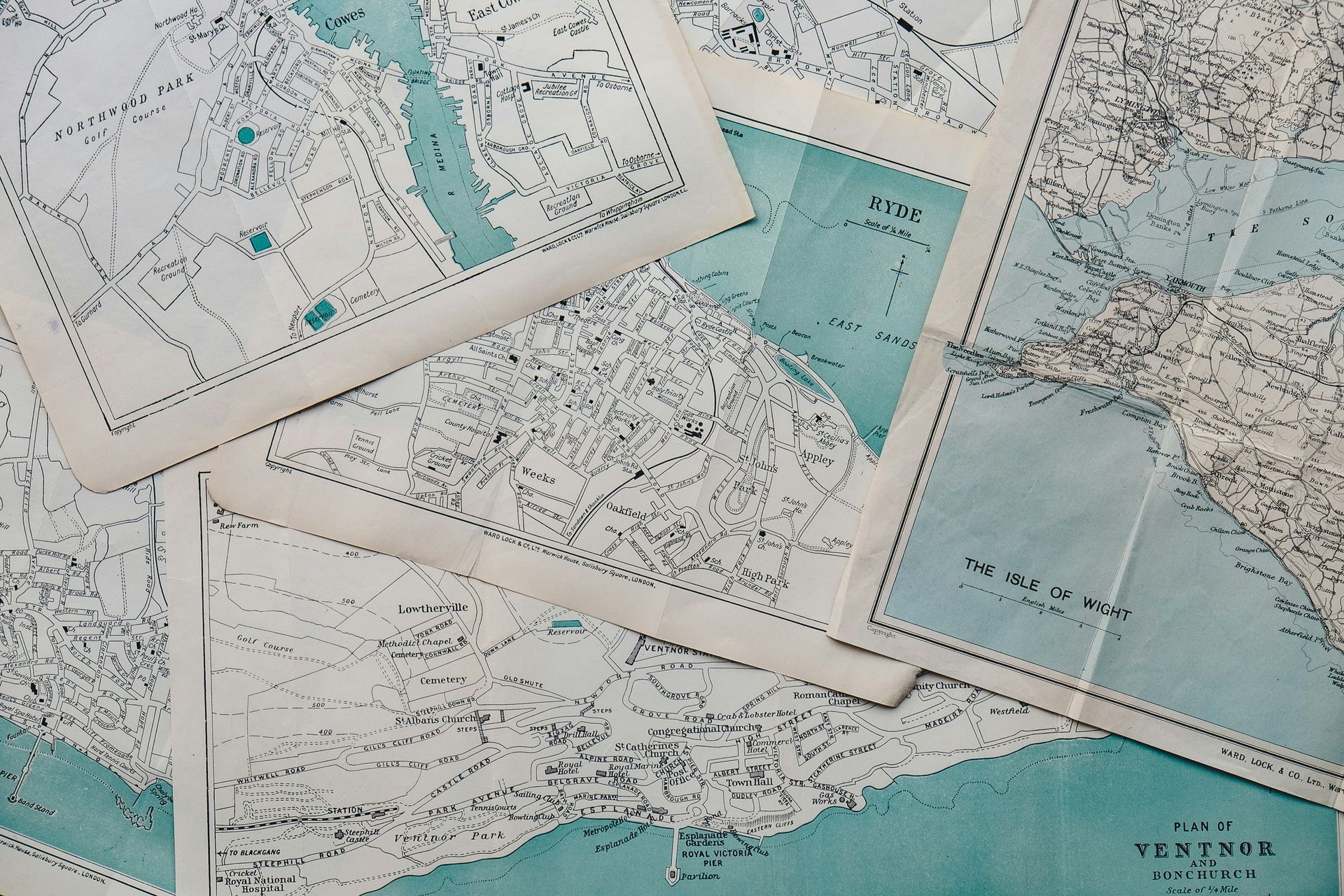
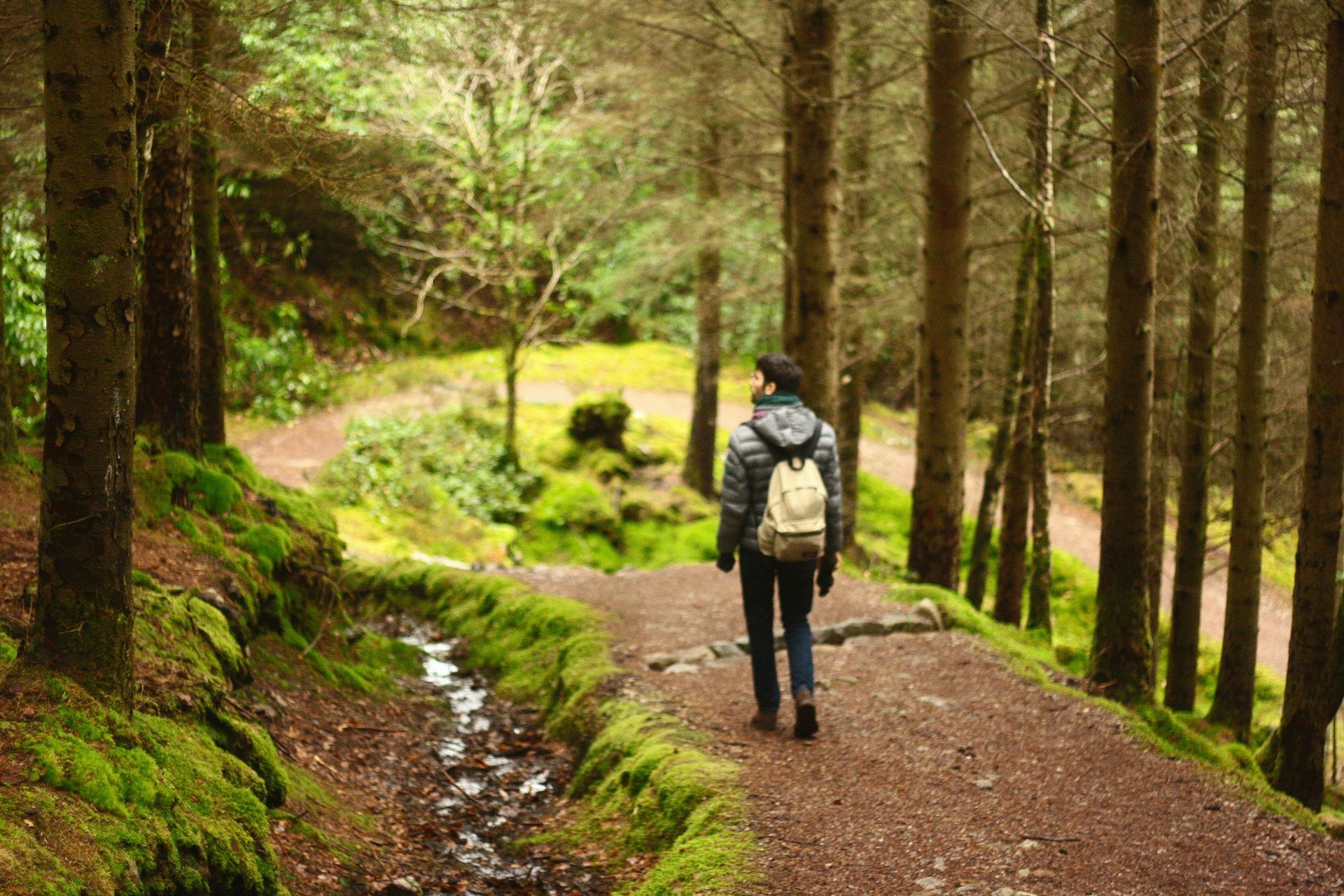
I spent years as a wilderness guide before I became a physician. I have been on search and rescue teams. I know what happens when someone is lost without a map, without a team, without any orientation to where they are.
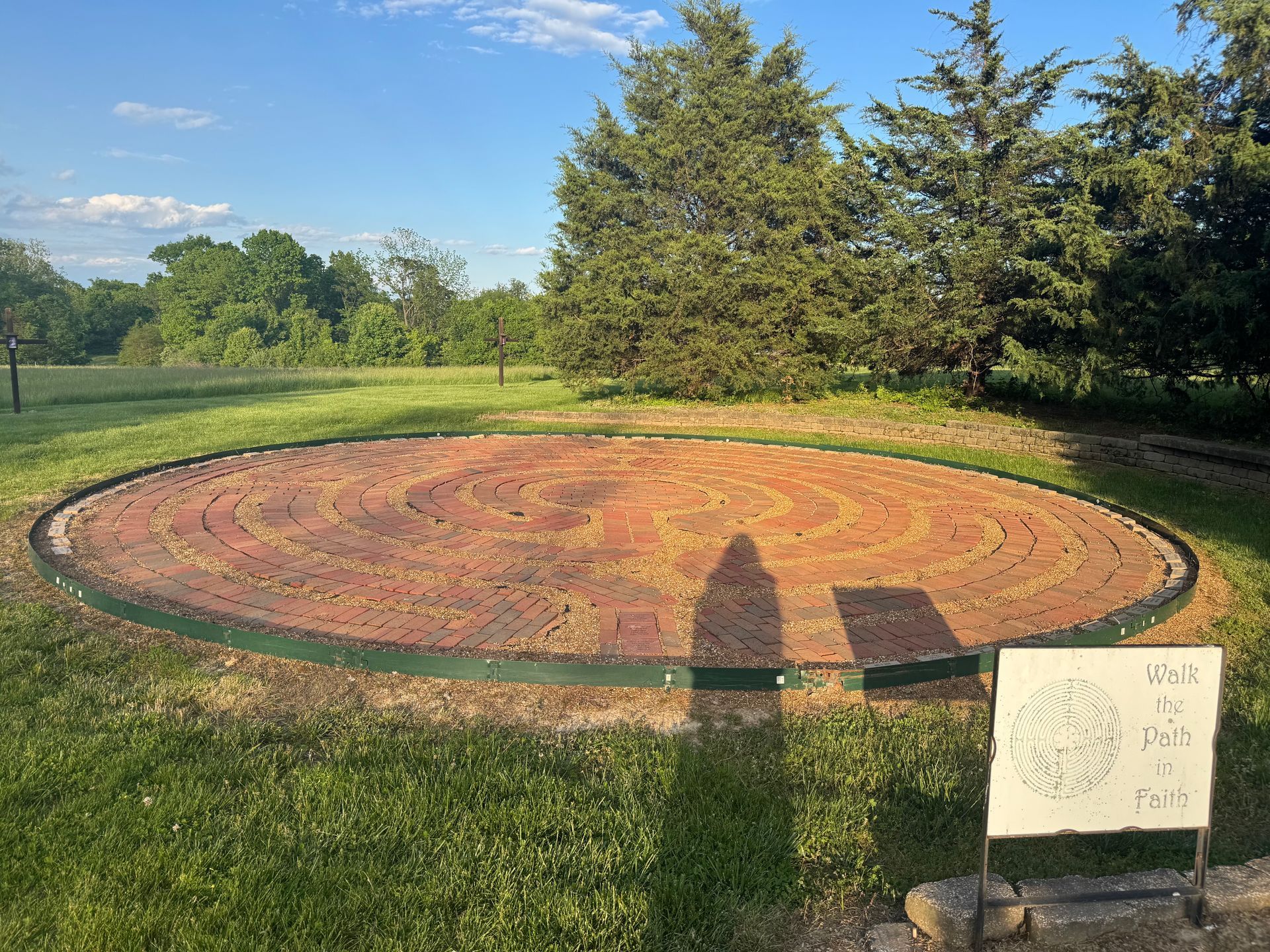
They walk in circles. Not because they are not trying. Because without external reference points, the mind cannot correct for its own drift.
Chronic illness can do the same thing. Without community — without people who understand the terrain, who can reflect back what they are seeing, who have been somewhere similar — recovery can become a loop. The same fears. The same variables changed in the same order. The same uncertainty about whether this setback is meaningful or temporary.
A community of people who understand does not replace a map. But it helps you read it.
It helps you notice when you are drifting. It helps you stay oriented when the path gets hard to see. It reminds you that others have been lost in this same terrain and found their way forward — not because the illness was simple, but because they did not try to navigate it entirely alone.
One More Thing Worth Knowing
The world that chronic Lyme takes away — the plans, the energy, the confidence, the sense of forward motion — does not come back all at once.
It comes back in small increments. A night of better sleep. A treatment tolerated that once would have knocked you flat. A morning when you made a plan and kept it.
Those increments are easier to see when someone else is watching alongside you. When you are part of something that can hold the longer arc of your recovery, not just the hardest days of it.
That is not a luxury. For a nervous system trying to find its way back to safety, it may be one of the most important things you can give yourself.
Recovery was never meant to be a solitary project.
-Dr. Sult
If you're looking for a place to feel connected. A place to be heard. A place to belong. A place where you don’t have to defend what you’re experiencing, I invite you to join our Precision Lyme Management Community. Learn more HERE.