Living in Flow: The Path to Persistent Transcendent Wellbeing
We’ve all touched those fleeting moments when everything clicks. Time slows down or vanishes altogether. There’s no inner commentary, no grasping, no effort. Just pure, unfiltered presence. Some call it the flow state. Others call it grace. I call it a glimpse of something more profound—Persistent Transcendent Fundamental Wellbeing (PTFW).
What if that state wasn’t just a rare peak experience, but a way of being we could live from? Not by chasing it, but by softening into it. Not through effort, but through presence.
Flow Isn’t a Destination—It’s a Returning
In the language of neuroscience, flow arises when the prefrontal cortex quiets down and the default mode network—the seat of rumination and egoic narrative goes offline. Athletes know it. Artists ride it. Spiritual seekers glimpse it. But here’s the thing: flow isn’t something we achieve. It’s something we remember. A return to what’s already here when we’re no longer tangled in past and future.
PTFW isn’t about constantly riding a high. It’s about abiding in that quiet, luminous center where peace, clarity, and action spring from the same still source. It’s a homecoming.
Meditation: Practicing the Art of Presence
Meditation isn’t about trying to feel good. It’s about learning to feel everything with awareness and without resistance. Over time, it becomes the training ground for living in flow.
When you sit, breathe, and notice the rise and fall of your experience, you’re retraining the nervous system. You’re signaling safety. You’re disentangling from the mind’s constant grasping. Bit by bit, you’re building the inner conditions for flow to arise, not just in meditation, but in traffic, in conflict, in the midst of ordinary moments.
Meditation invites the mind to quiet, not because we force it to, but because awareness becomes more interesting than thought.
Mindfulness: Weaving Flow into Daily Life
If meditation is the gym, mindfulness is the field. Mindfulness is how we bring presence into the messy, unscripted moments of life: when we pause before reacting, when we breathe through discomfort, and when we listen without rehearsing a response. These micro-moments of mindfulness gradually shift our baseline from chaos to coherence.
It’s not about perfect presence, it’s about remembering and returning.
The Science and Spirit of Flow
Research shows that people in flow experience greater joy, creativity, and even healing. But the deeper truth is that flow aligns us with who we truly are beneath the conditioning. It’s not performance, it’s authenticity. It’s not bypassing—it’s embodiment.
When we string enough of these moments together, something profound begins to shift. The glimpses become sustained. The highs and lows smooth into steady depth. This is the quiet revolution of Persistent Transcendent Fundamental Well-Being.
How to Begin (or Deepen) the Practice
- Start Small. Two minutes of conscious breathing is enough to shift state.
- Anchor in the Body. Flow isn’t a mental state—it’s embodied. Feel your feet. Sense your breath. Come home to now.
- Let Go of the Outcome. Ironically, the more you try to get into flow, the more you chase it away. Relax the effort. Trust presence.
- Practice Often. Meditation isn’t about achieving something in the moment—it’s about training the nervous system for the long game.
Final Thoughts
Living in flow isn’t about escaping reality—it’s about seeing it clearly and responding from a place of wholeness. It’s what happens when awareness becomes your default mode. When your actions emerge from stillness. When your life becomes an expression of being, not just doing.
That, to me, is the heart of Persistent Transcendent Fundamental Wellbeing.
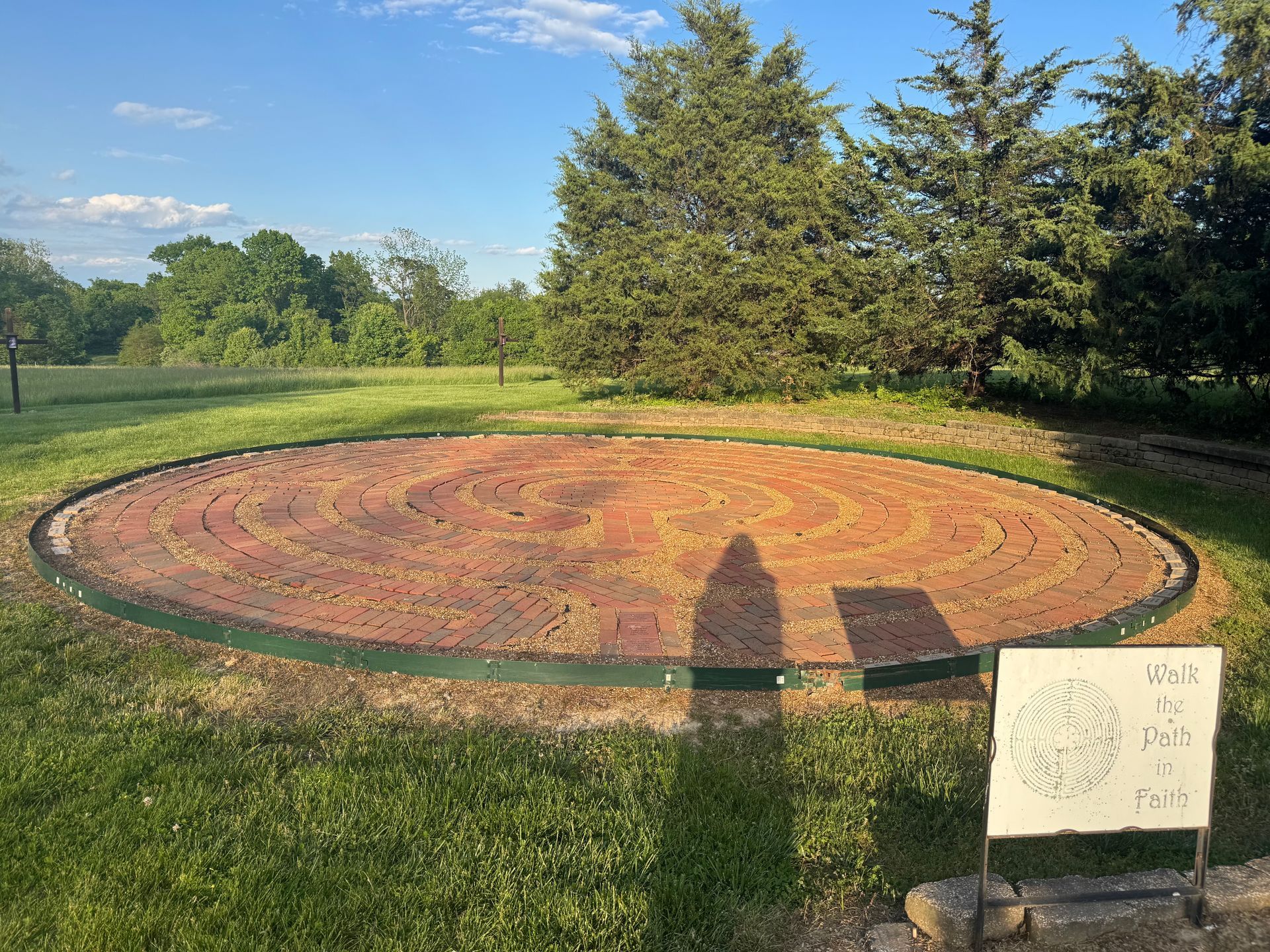
Not a peak to reach, but a path to walk—with breath, presence, and an open heart.
Thanks for reading.
-Dr. Sult