Best Diet for Chronic Lyme

Why I Recommend a Plant-Forward Keto Pattern in Chronic Lyme
When people ask me about diet and chronic Lyme, they often expect a simple rule:
Cut sugar to kill the infection.
The truth is more nuanced.
A low-glycemic, plant-forward ketogenic pattern is not primarily about starving bacteria. It is about stabilizing the host terrain. It is about reducing volatility, calming inflammation, and restoring metabolic coherence so the body can recover with less friction.
Here is what that means in practical and physiological terms.
The Structure of the Pattern
The template I use most often looks like this:
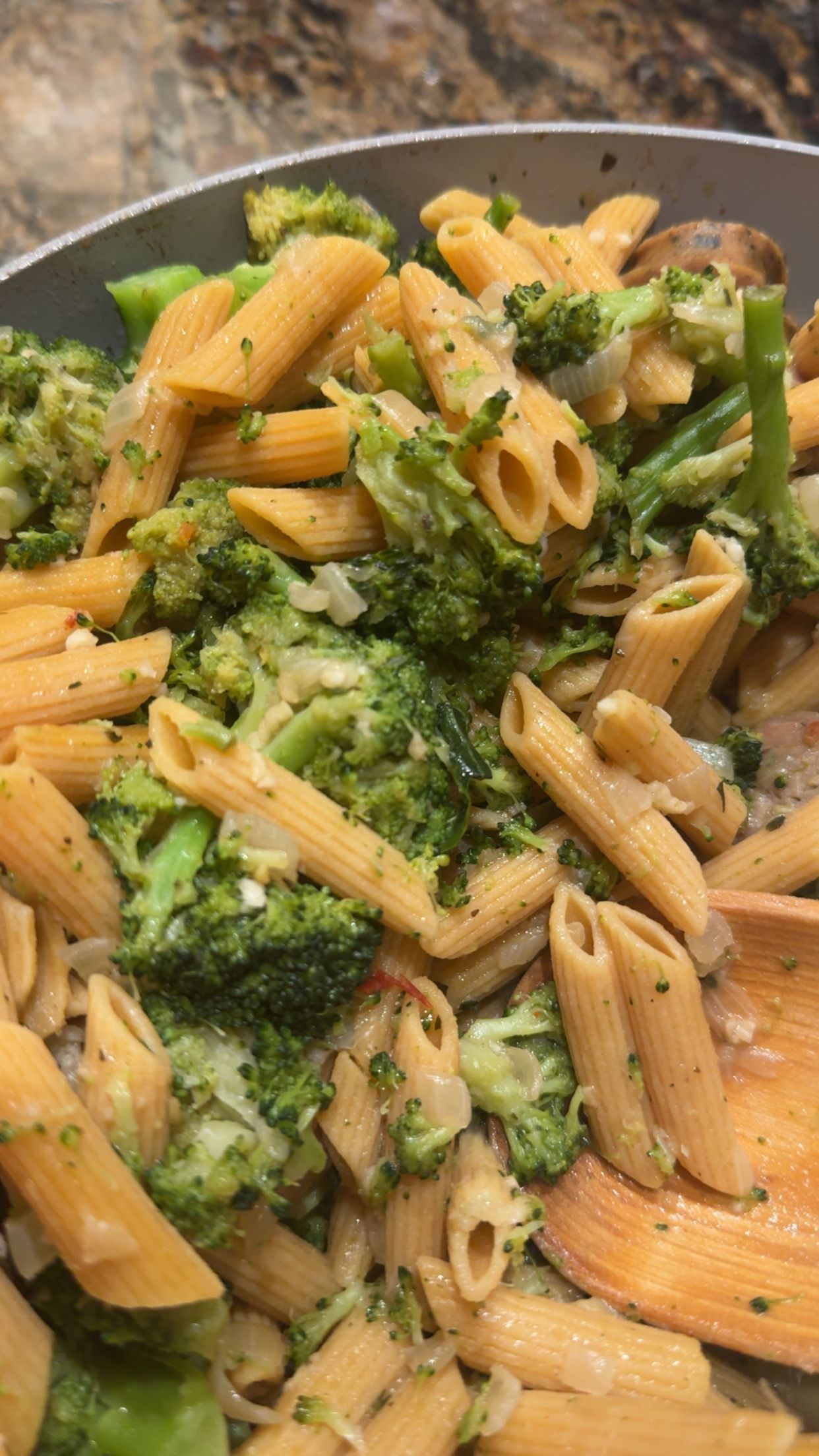
- About three quarters of the plate: low-carbohydrate vegetables
- About one quarter of the plate: high-quality, low-carbohydrate protein
- Healthy oils added intentionally to reach adequate caloric intake
This is not a meat-heavy keto diet. It is plant-dominant, fiber-rich, micronutrient-dense, and metabolically stable.
The goal is not carbohydrate elimination.
The goal is glycemic stability and inflammatory restraint.
1. Stabilizing Blood Sugar and the Nervous System
Many patients with chronic Lyme live in autonomic volatility.
Their heart rate fluctuates.
Their sleep is fragmented.
Their energy crashes unpredictably.
Large swings in blood sugar amplify this instability.
When glucose rises quickly and falls quickly, the stress system reacts. Cortisol rises. Adrenaline rises. The body interprets the fluctuation as threat.
A plant-forward ketogenic pattern smooths these spikes. Fasting glucose often settles into a narrower range. Post-meal excursions are modest. Insulin demand decreases.
This stability reduces sympathetic overactivation and supports vagal tone.
In plain language: fewer sugar swings mean fewer false alarms.
2. Reducing Chronic Inflammatory Signaling
Ketogenic metabolism increases circulating beta-hydroxybutyrate. This molecule is not only fuel. It is also a signaling compound.
Research shows that beta-hydroxybutyrate can:
- Reduce activation of the NLRP3 inflammasome
- Decrease IL-1β signaling
- Calm microglial activation in the brain
Chronic Lyme and post-infectious states often involve persistent low-grade inflammatory signaling, even when infection burden is reduced.
By shifting metabolic fuel sources, we reduce inflammatory tone at a systems level.
This is not suppression.
It is modulation.
3. Supporting Mitochondrial Efficiency
Fatigue in chronic Lyme is not simply exhaustion. It is often a reflection of mitochondrial stress.
Ketogenic metabolism:
- Improves mitochondrial efficiency
- Increases NAD to NADH ratio
- Reduces reactive oxygen species volatility
- Enhances cellular antioxidant systems
When mitochondria function more efficiently, the body produces energy with less oxidative collateral damage.
This matters because inflammation and oxidative stress feed each other.
A more efficient metabolic engine creates less inflammatory debris.
4. Improving Endothelial and Microvascular Function
Chronic inflammatory states affect the endothelium, the delicate lining of blood vessels.
When insulin is persistently elevated and glycemic swings are frequent, endothelial activation increases. This can contribute to impaired perfusion, tissue hypoxia, and symptom persistence.
Lower insulin states improve endothelial signaling and nitric oxide balance.
In patients who experience brain fog, cold extremities, or orthostatic symptoms, stabilizing the metabolic environment can improve flow.
Better flow means better oxygen delivery, better nutrient distribution, and better waste clearance.
5. Preserving the Microbiome Through Plant Emphasis
A strict, animal-heavy ketogenic pattern can reduce microbial diversity.
That is not the model I recommend.
A plant-forward ketogenic approach emphasizes:
- Leafy greens
- Cruciferous vegetables
- Low-glycemic roots
- Fermented vegetables
- Fiber-rich plant matter
These foods preserve short-chain fatty acid production and maintain mucosal integrity.
In chronic Lyme, gut barrier integrity and immune modulation are tightly linked.
The microbiome is not an afterthought. It is part of immune regulation.
6. Avoiding Excess Oxidative and Dietary Stress
When done correctly, this pattern emphasizes:
- Extra-virgin olive oil
- Avocado
- Nuts and seeds
- Fatty fish
- Clean, pasture-raised proteins
It avoids:
- Refined seed oils
- Processed carbohydrates
- Industrial food additives
This reduces exposure to pro-inflammatory dietary inputs that compound immune dysregulation.
Food becomes information.
We want that information to be coherent.
What This Diet Is Not
It is not a cure for Lyme disease.
It does not directly eliminate persistent organisms such as Borrelia burgdorferi.
The body maintains glucose homeostasis even in ketosis. You cannot meaningfully starve tissue-dwelling microbes through diet alone.
But you can:
- Reduce inflammatory amplification
- Improve autonomic stability
- Strengthen mitochondrial resilience
- Improve vascular flow
- Decrease symptom volatility
That changes the terrain.
And when the terrain changes, the body responds differently to treatment.
Who Should Use Caution
This pattern is not for everyone at every stage.
Patients who are:
- Severely underweight
- Profoundly fatigued and unable to maintain caloric intake
- Experiencing thyroid instability
- Early in fragile recovery
May require gradual transition and careful supervision.
Sequencing still matters.
The Real Goal
The purpose of a plant-forward ketogenic pattern in chronic Lyme is coherence.
Less volatility.
Less inflammatory noise.
More metabolic stability.
More physiologic predictability.
When blood sugar is steady, mitochondria are efficient, and inflammatory signaling is quieter, the body becomes easier to support.
Healing does not come from attack.
It comes from restoring communication and timing.
Food is one of the simplest ways to begin that process.
-Dr. Sult
https://bit.ly/ScheduleAppointmentDrSult
*Join my Lyme email list: https://bit.ly/LymeInfoJBW