The End of the War: Why Your Chronic Illness is an Intelligent Strategy, Not a Mistake
Imagine walking into a doctor’s office with a body that feels like it’s on fire, only to be told the "fire" is out and you are simply looking at the smoke.
For millions living with chronic Lyme, Long COVID, or ME/CFS, the most painful part of the journey isn't just the fatigue or the brain fog—it’s the accusation of persistence. It is the whispered implication that if you are still sick, your body has failed, or worse, that you are simply "rehearsing a memory" of an infection that is long gone.
But what if your symptoms aren't a mistake? What if the very things making you miserable—the crushing exhaustion, the migrating pains, the hypersensitivity—are actually your body’s intelligent strategy to keep you alive?
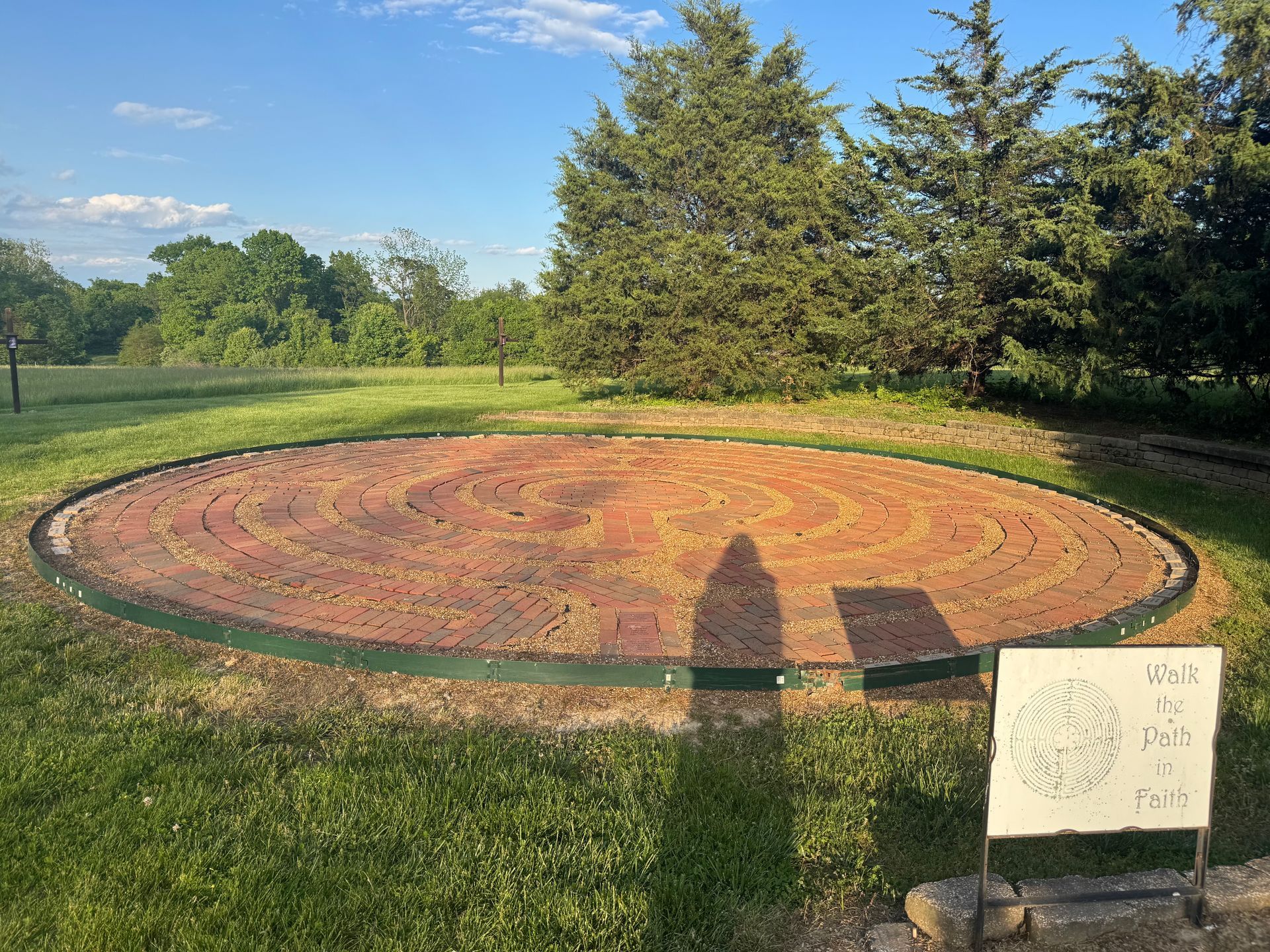
A New Map for the Labyrinth: The Triad Model
The Triad Model shifts the perspective from a "war mindset" of seeking and destroying invaders to one of restoring communication within a biological field. It recognizes that chronic illness is shaped by three interacting dimensions:
- Structure: These are the "stealth strategies" microbes use to survive, such as building biofilm fortresses, hiding in deep-tissue "sanctuaries" like joints and nerves, or shifting their genetic "coats" to remain unrecognizable to your immune system.
- Function: These are the physiologic adaptations your body employs to survive the stress. To protect you, your body might downregulate energy (Mitochondrial Collapse), trap threats in microclots (Endothelial Stagnation), or keep your nervous system on high alert (Neuro-Immune Vigilance).
- Support: These are the pathways of healing that reconnect the system. It is the guided journey through ten "Healing Fields"—from re-establishing safety (Orientation) and rhythm (Regulation) to the final stages of deep tissue repair (Regeneration).
What Makes This Approach Unique?
Most medical models are built for acute crises: find the invader and eliminate it. This "seek and destroy" approach often fails in chronic illness because it treats the body like a battlefield rather than an ecosystem. The Triad Model is unique because it replaces desperation with design.
- The End of Blame: This model removes the accusation that a flaring body is betraying you. Instead, it teaches that illness is not broken structure; it is stalled communication. Your body isn't "failing" to clear an infection; it is locked in a "living stalemate" where both host and pathogen have changed their strategies to endure a state of mutual pressure.
- Coherence Before Conquest: While conventional treatment focuses on the total eradication of pathogens, the Triad Model posits that coherence is primary and structure follows it. Healing is not an attack; it is restored timing. By ensuring the system’s signals are in sync and safety is re-established first, the body's original design for health can naturally re-emerge.
- Sequencing by Resilience: Perhaps the most radical shift is the principle that timing matters more than intensity. In this framework, "non-response" to treatment is reframed as mis-sequencing, not mystery. We do not move to "killing" the bug until the foundation of safety, energy, and flow is stable enough to integrate the change.
From Fighting to Listening
Recovery in the Triad Model is a transformation of the body’s internal state—moving from a defensive crouch to an upright, resilient stance. It honors the data of your physiology without ignoring the story of your life.
If you have felt like "collateral damage in a medical tug-of-war," it is time for a new conversation. You are not a "broken" version of your former self; you are a system under pressure doing its best to adapt.
Healing begins the moment we stop asking, "How do we kill what's wrong?" and start asking, "How do we support what is trying to go right?".
- Dr. Sult
https://bit.ly/ScheduleAppointmentDrSult
*Join my Lyme email list: https://bit.ly/LymeInfoJBW