What Is the Best Treatment for Lyme Disease?

Not a protocol, A Map
If you have been sick with Lyme disease for months or years, there is a good chance you have already tried a lot of treatments.
Perhaps you started with antibiotics. Later came different antibiotics, antimicrobial herbs, supplements, dietary changes, nervous-system work, or some combination of them. Some may have helped. Some did nothing. Perhaps something worked remarkably well for a while, only to stop working later.
Eventually you find yourself asking:
What is the best treatment for Lyme disease?
I think there is a problem hidden inside that question.
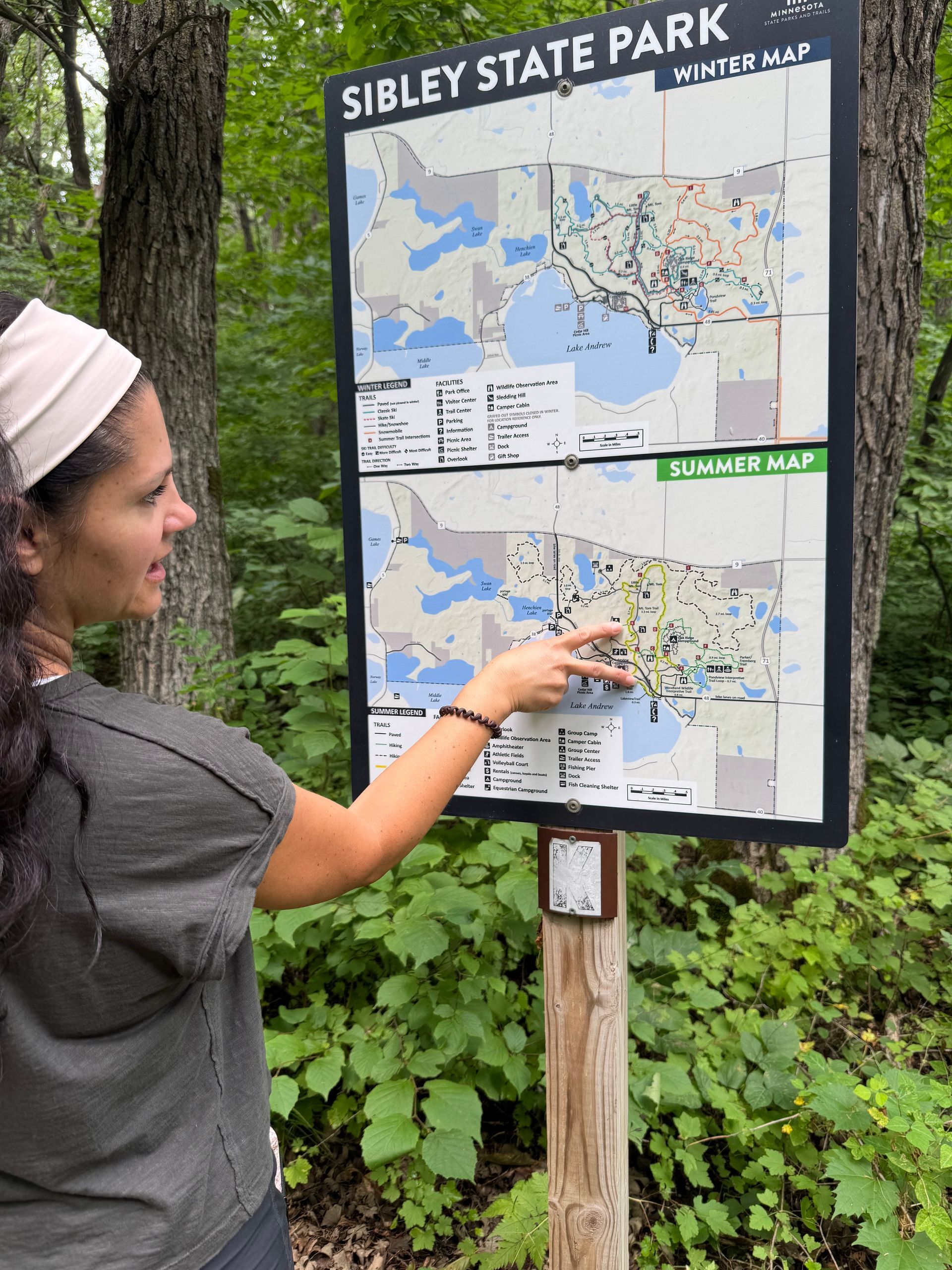
Imagine being lost in a large wilderness. You have good hiking boots, plenty of food, a compass, and the determination to keep walking. Someone offers you better boots. Someone else tells you to walk faster. Another tells you that the people who escaped this wilderness went east.
Any of those directions might be useful. But first you need to know:
Where are you?
That is how I have come to think about chronic Lyme disease. The problem is often not a shortage of treatments. The problem is knowing where you are in the illness, what is keeping you there, and which direction makes sense from that location.
Acute Lyme Is Different
When Lyme disease is recognized early, antibiotics are the established treatment. Doxycycline, amoxicillin, and cefuroxime are among the antibiotics commonly used, depending upon the clinical situation.[1] Most people treated appropriately in the early stages recover rapidly and completely.[1]
But some don't. The antibiotics end, yet months or years later they remain exhausted, their thinking is not what it used to be, exercise can put them in bed the next day, and their body seems to behave differently than it did before Lyme.
Now we are asking a different treatment question.
From Lyme Disease to PASL
The CDC calls prolonged symptoms following recommended Lyme treatment Post-Treatment Lyme Disease Syndrome, or PTLDS. The cause remains uncertain.[2]
I use a broader clinical term:
Post-Acute Sequelae of Lyme, or PASL, because by the time someone has been sick for months or years, I am interested not only in whether
Borrelia remains part of the problem. I want to understand what has happened to
you since the infection began.
An infection occurs inside a living system, and both the organism and the person it infects can adapt.
Borrelia has biological strategies involving immune evasion, tissue sequestration, altered metabolic states, biofilm-associated communities, and changes in gene and protein expression. I group these and related microbial survival mechanisms under
Stealth Pathology.
But
Borrelia is only one dancer.
You adapt too.
Your immune system responds. Your nervous system changes its regulation. Energy gets allocated differently. Inflammation, fatigue, changes in sleep, metabolism, circulation, the microbiome, repair, and resilience can emerge as your body responds to prolonged illness.
Many of these responses begin as adaptations to threat. Over time, they can begin interacting with one another and with the organism that helped set them in motion. The bug changes you. You change the terrain in which the bug lives. Treatment changes the terrain again.
This is the intricate dance between the bug and the patient, and it helps explain why two people who began with the same infection can eventually be standing in very different places.
This Is Why I Developed Precision Lyme Management
For years I taught physicians about chronic infection for the Institute for Functional Medicine. Doctors from around the world began referring some of their most complicated patients to me.
Many had already done what I was teaching. They had received extensive antimicrobial and Functional Medicine treatment, yet they were still sick.
I had to stop looking for the next protocol and start looking for patterns. Gradually, a map emerged.
It became
Precision Lyme Management, or PLM.
PLM organizes the illness into five interconnected domains:
Antecedents, Stealth Pathology, Host PASI, Resilience, and Healing Fields. These are not five treatments but coordinates that help us locate
you.
Antecedents help us understand the terrain you entered the illness with. Stealth Pathology looks at the microbial and other hidden pressures that may still be operating. Host PASI maps what prolonged illness has done to
you physiologically. Resilience describes your current capacity to adapt, tolerate treatment, and recover. Healing Fields examines the conditions surrounding recovery.
Once we have a better idea where you are, treatment has direction.
Treatment Is How We Move
Sometimes antimicrobial treatment is the next move. Persistent Borrelia or another microbial pressure may still occupy an important place on your map.
Sometimes the priority is rebuilding enough physiological capacity to tolerate treatment. Sometimes several things need attention, but their
sequence matters. And sometimes something that was important six months ago is no longer the obstacle preventing your next step.
A protocol starts with the diagnosis and tells you what to do. A map starts with
you and tells us where we need to go next.
Reappraisal Is How We Navigate
Finding yourself on a wilderness map does not get you home. You choose a direction and start walking, but you also watch the terrain.
You notice the river, the ridge, the trail crossing, and the change in elevation. Periodically you locate yourself again. If the landmarks are not where you expected them to be, you change your understanding of where you are.
That is
reappraisal.
In PLM, we map you, intervene, observe what happens, and map you again. Your response to treatment becomes part of the navigation.
If an antimicrobial produces substantial improvement followed by relapse, that tells us something. If repeated antimicrobial treatment produces little durable movement, that tells us something else. If improving resilience suddenly allows you to tolerate a treatment you could not tolerate before, that changes the map.
This also means that treatments can outlive the reason they were started. Over years of chronic illness, people can accumulate antibiotics, herbs, supplements, diets, and other therapies intended for places on the map where they no longer are. Reappraisal helps us decide not only what to add, but what no longer belongs.
PLM is the map. Treatment moves you across it. Reappraisal is how we navigate.
So What Is the Best Treatment for Chronic Lyme Disease?
If you have acute Lyme disease, treatment begins with appropriate antibiotics.
If you have been sick for months or years, the better question is:
What is keeping me sick now?
That is why another person's successful Lyme protocol can be completely real and still be the wrong direction for you. Their directions began from their position on the map, not yours.
When you are lost in the wilderness, walking harder is not the answer if you do not know where you are.
Find yourself on the map. Move. Reappraise. Then move again.
That is how we navigate toward home.
References
- Centers for Disease Control and Prevention. Treatment and Intervention for Lyme Disease. Updated June 25, 2026.
- Centers for Disease Control and Prevention. Chronic Symptoms and Lyme Disease. Updated June 26, 2026.
- Cameron DJ, Johnson LB, Maloney EL.
Evidence Assessments and Guideline Recommendations in Lyme Disease: The Clinical Management of Known Tick Bites, Erythema Migrans Rashes and Persistent Disease. Expert Review of Anti-infective Therapy. 2014;12:1103-1135.