Detoxing Microplastics - Action Steps to Take to Combat Microplastics
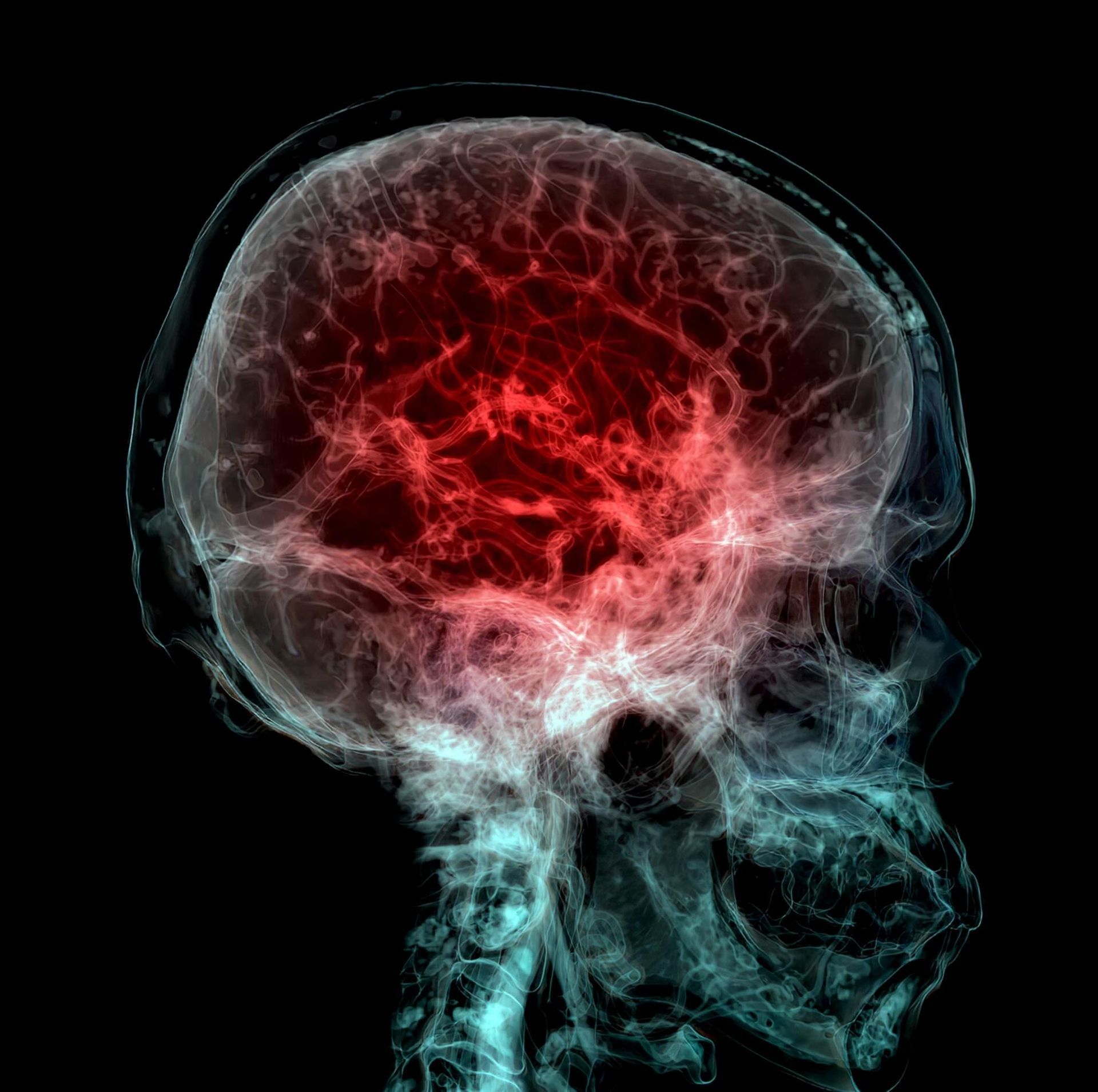
A recent study published in Nature Medicine has revealed that microplastics are accumulating in human brains at levels higher than previously detected in other organs. Researchers from the University of New Mexico Health Sciences Center analyzed 52 brain samples from autopsies conducted between 2016 and 2024.
They discovered that, on average, each brain contained about 7 grams of microplastics—the equivalent weight of a plastic spoon. Notably, individuals diagnosed with dementia had up to ten times more microplastics in their brains compared to those without the condition.
Are you looking for ways to detox microplastics from your body and life? See our recommendations below!
Here is an outline of our strategy for detox of microplastics.
Preventive Measures:
1. Reduce Plastic Use:
o Opt for Alternatives: Choose glass, stainless steel, or other non-plastic materials for food and beverage storage to minimize microplastic ingestion. We have been using the Caraway brand! Read our blog on ditching plastic cutting boards HERE.
o Avoid Single-Use Plastics: Limit the use of disposable plastic items, such as cutlery, straws, and bags, to reduce environmental plastic pollution.
2. Mindful Food Preparation:
o Avoid Heating Plastics: Refrain from microwaving food in plastic containers, as heat can cause plastics to leach chemicals into food.
o Choose Fresh Foods: Minimize consumption of processed foods, which may contain higher levels of microplastics.
3. Water and Air Quality:
o Filter Drinking Water: Use high-quality water filters to reduce microplastic content in tap water. Our recommendation here is that ANYTHING is better than not filtering at all. You can use a BRITA filter, we also like AquaTru.
o Improve Indoor Air Quality: Regularly clean living spaces to reduce airborne microplastics and consider using air purifiers. Similar to our recommendation above about water filters - the same runs true with air filters. Something is better than nothing. Home Depot and Menards have good, budget friendly options. There are higher investment units like Air Doctor too.
4. Clothing Choices:
o Select Natural Fibers: Opt for clothing made from natural materials like cotton or wool to reduce microfiber shedding during washing.
o Laundry Practices: Use washing machine filters and wash synthetic fabrics less frequently to minimize microfiber release.
*Bonus we also encourage you to think about toilet paper - we use PlantPaper.
Potential Treatment Strategies:
These toxins are among the most difficult to detox. They are neither water nor fat-soluble. However, we can optimize detox strategies, like hydration, improved GI function to eliminate toxins, and improved liver function.
Enhance the Body’s Detox Pathways
Microplastics may accumulate in fatty tissues, cross the blood-brain barrier, and cause oxidative stress. Functional medicine focuses on supporting the body's innate detox pathways to eliminate them.
Diet: A plant-forward Ketogenic diet may help with detox, inflammation, oxidative stress, and neuroprotection.
Liver Detox Support
The liver is the primary detox organ that helps break down and remove environmental toxins.
• Glutathione – The "master antioxidant" binds to toxins for excretion. Sulfur-rich foods (garlic, onions, cruciferous vegetables) boost glutathione.
• Milk Thistle & N-acetylcysteine (NAC) – Protect liver cells and enhance detox pathways.
• Bitter herbs (dandelion, burdock root, gentian) – Stimulate bile flow, crucial for toxin removal.
Gut Health Optimization (Bind & Eliminate)
Microplastics may enter circulation via gut absorption, so binding and excreting them is critical.
• Activated Charcoal or Bentonite Clay – Bind toxins in the gut, preventing reabsorption.
• Chlorella & Spirulina – Microalgae that have been shown to bind heavy metals and microplastics, aiding elimination.
• Fiber-Rich Diet – Soluble and insoluble fiber (flaxseeds, chia seeds, psyllium husk) trap microplastics and aid elimination through bowel movements.
• Probiotics & Fermented Foods – Strengthen gut integrity, reducing microplastic absorption into the bloodstream.
Support Lymphatic & Kidney Function
Since microplastics can cause systemic inflammation and oxidative stress, supporting lymphatic flow and kidney function is crucial:
• Hydration – Drink purified water with a pinch of sea salt or electrolytes to flush toxins.
• Dry Brushing & Rebounding – Stimulate lymphatic circulation to remove toxins.
• Saunas & Sweating – Infrared saunas and exercise encourage sweat-induced detoxification.
________________________________________
Combat Inflammation & Oxidative Stress
Microplastics increase oxidative stress and inflammation, so supporting cellular health is key:
• Antioxidant-rich diet – Berries, turmeric, green tea, dark leafy greens reduce oxidative damage.
• Omega-3 Fatty Acids – From fish oil or flaxseed reduce inflammation and protect cellular health.
• Vitamin C & E – Help neutralize microplastic-induced free radicals.
• Resveratrol & Quercetin – Polyphenols that modulate inflammation and enhance detoxification.
________________________________________
Encourage Bile & Fecal Elimination
Microplastics can be excreted via bile into the intestines, making bile production & elimination crucial.
• Bitters & Ox Bile Supplements – Stimulate bile flow.
• Coffee Enemas – Support liver detox and bile release.
• Lemon Water & Apple Cider Vinegar – Help bile production and digestion.
_______________________________________
Regenerative & Cellular Detoxification
Since microplastics may damage mitochondria, functional medicine includes:
• Fasting & Autophagy – Intermittent fasting (16:8, 24-hour fasts) can trigger autophagy, helping cells remove damaged particles.
• Molecular Hydrogen – Reduces oxidative stress caused by microplastic exposure.
• IV Nutrient Therapy – High-dose glutathione, vitamin C, and minerals can enhance detoxification.
Did you read ALL the way through? We know that on paper this could read more than you bargained for, but there are simple ways to implement these steps into your life. Working with us, we can streamline and personalize a plan to your specific needs and lifestyle goals.
Let's get you on the path for Whole Life Wellness!
Book with us virtually or in-person HERE: https://www.justbewell.info/clinic
-Dr. Sult & Elizabeth