
Plastic Cutting Boards: A Recipe for Toxins? Here’s What We Use Instead
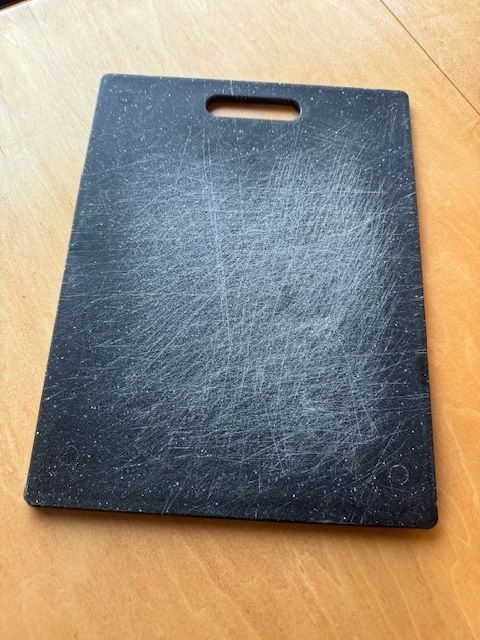
Still using plastic cutting boards in your kitchen? Maybe you have ditched other plastic sources in your kitchen, like storage containers, or you are just starting out... we wanted to share with you WHY we are ditching plastic in our kitchens.
We eliminated our use of plastic cutting boards about 6 months ago after reading a recent study that uncovered cutting on plastic boards may add microplastics to your food, with each slice shedding up to 1,114 particles into your meals!
Over a year, this could add up to roughly 50 grams of plastic – about the weight of 10 credit cards!
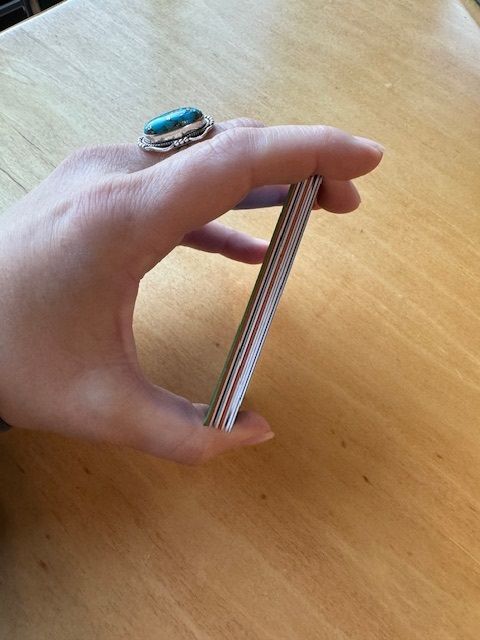
If that doesn't give you the ick, I don't know what does! Imagine eating 10 credit cards!
Scientists say that these microplastics are not just present in our food but have been detected in our lungs, blood, and even placentas, raising concerns over long-term health impacts, including endocrine and immune disruption.
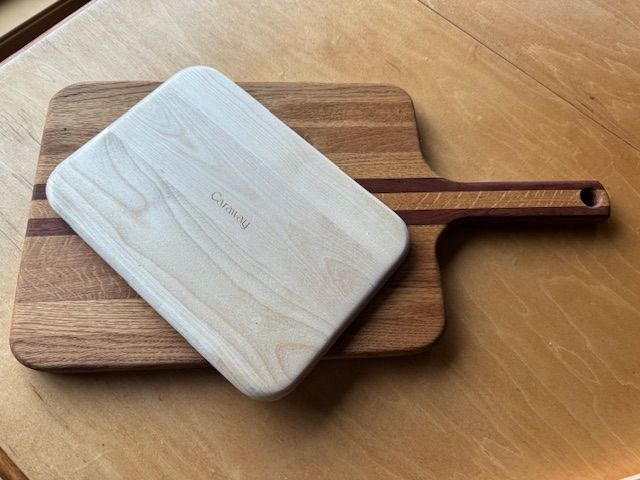
Switching to non-plastic boards like bamboo, wood, or glass (we use glass for meat to avoid cross contamination) can help you avoid microplastic exposure and consumption. Wooden boards also have natural antimicrobial properties and are budget friendly.
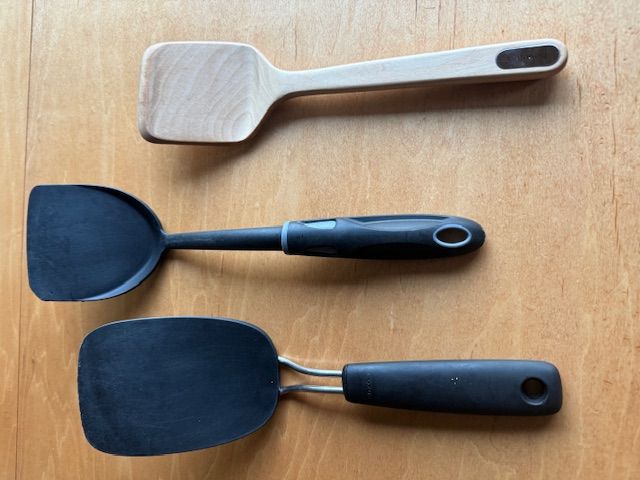
Beyond cutting boards, consider microwaving in glass instead of plastic and filtering your water to reduce microplastic intake. Look for other sources such as plastic utensils (black is the worst for hidden flame retardants, etc. as they are from recycled plastic from electronics).
Our goal is to keep our kitchens as plastic-free as possible! What do you think of this? Are there swaps you can make?
Ideally you could swap everything, but we know that's not always practical. Simply start, and overtime do what you can. Little habits add up.
-Elizabeth
We just launched our new program Precision Weight Management. Count Toxins, Not Calories is our tagline - are there sneaky toxins in your diet that are impacting your wellness and ability to maintain a healthy weight? Check out our approach at our site www.precisionweightmanagement.com and pick your personalized plan!